
Introduction: The Fear Is Pointed at the Wrong Enemy
For years, the dominant narrative around AI and employment has been one of replacement. But here is the truth that is not being said loudly enough: AI is not replacing people. It is replacing the way we have always done things.
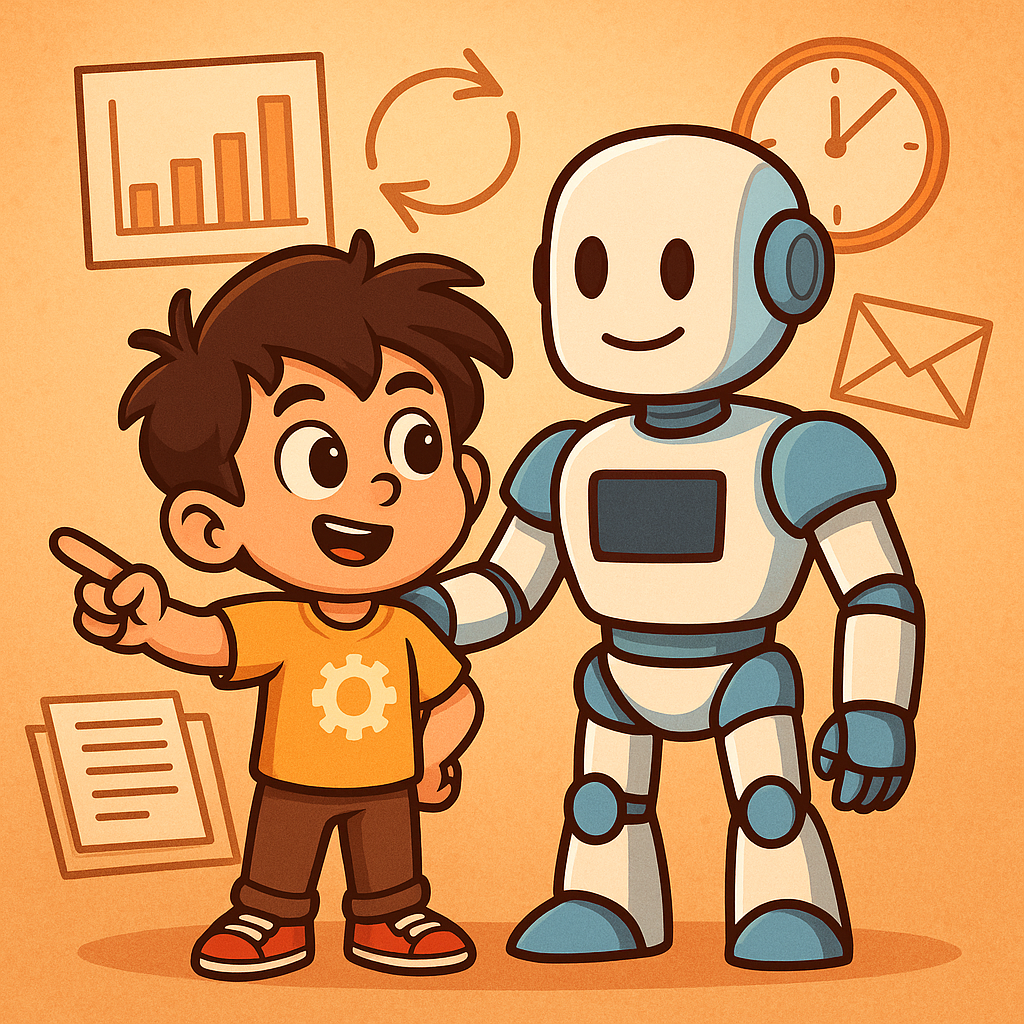
What AI Actually Replaces
The eight-hour data wrangling session that once consumed an analyst's day now takes ten minutes in a well-prompted Python workflow. The forty-slide deck that required a team to build from scratch can now be substantially populated by an agent that pulls, structures, and visualises the relevant data in real time. The flood of customer support tickets is now sorted, prioritised, and resolved at the first level by AI before a human ever sees it.
In each of these cases, what was replaced was not a person. It was a process. A slow, repetitive, cognitively expensive process that was consuming human time and attention that could be better directed elsewhere.
The Real Divide
The professionals who have been left behind are not those whose tasks AI can replicate. They are those who treated AI as a threat to observe from a distance rather than a capability to develop.
AI fluency is now becoming the dividing line between those who operate with leverage and those who do not.
Humans Times AI, Not Humans Versus AI
The framing that serves people best in this transition is not humans versus AI. It is humans multiplied by AI. The combination produces outcomes that neither can achieve independently. AI brings speed, scale, and pattern recognition. Humans bring judgment, context, creativity, and the ability to navigate situations that fall outside any training distribution.
Conclusion
The myth of replacement is holding people back. The professionals building the most valuable careers right now are those who automated their way out of the work that was consuming them and directed that freed capacity toward the work that genuinely requires them.