Discover top holistic health courses with science-backed methods to enhance your well-being. Learn research-supported techniques and transform your health today!
Introduction: The Challenge of Achieving Genuine Wellness in a Fast-Paced World
Did you know that despite the countless health tips and quick-fix diets, many people still struggle to feel truly well? According to recent studies, over 70% of adults report chronic stress, fatigue, or health issues. Conventional medicine often doesn't fully address these problems. This disconnect highlights a vital need: a comprehensive, scientifically supported approach to health that considers the mind, body, and environment.
If you're looking to enhance your health journey with proven methods, consider holistic health courses. These courses offer science-backed techniques and stand out as a transformative solution. These programs blend the wisdom of holistic practices with rigorous scientific evidence, empowering you to make lasting, meaningful changes.
What Are Holistic Health Courses with Science-Backed Methods?
Holistic health courses focus on treating the whole person—mind, body, and spirit—rather than isolated symptoms. Traditionally rooted in ancient healing techniques, these courses are now increasingly integrating modern scientific research to validate their effectiveness.
Science-backed holistic health programs teach evidence-based methods such as nutritional science, mindfulness, physical activity, and ecological awareness. They are designed to provide learners with credible, research-supported strategies to optimize overall wellness.
Why Choose Science-Backed Holistic Health Courses?
- Credibility & Effectiveness: Courses that incorporate scientific evidence ensure that techniques are safe and proven to work.
- Accreditation & Certification: Many reputable programs are accredited, adding credibility to your qualifications.
- Comprehensive Curriculum: Merging traditional practices with modern science leads to well-rounded knowledge.
- Practical Application: Learn effective, research-supported methods you can apply immediately.
Top Features of Accredited Holistic Health Courses Incorporating Science
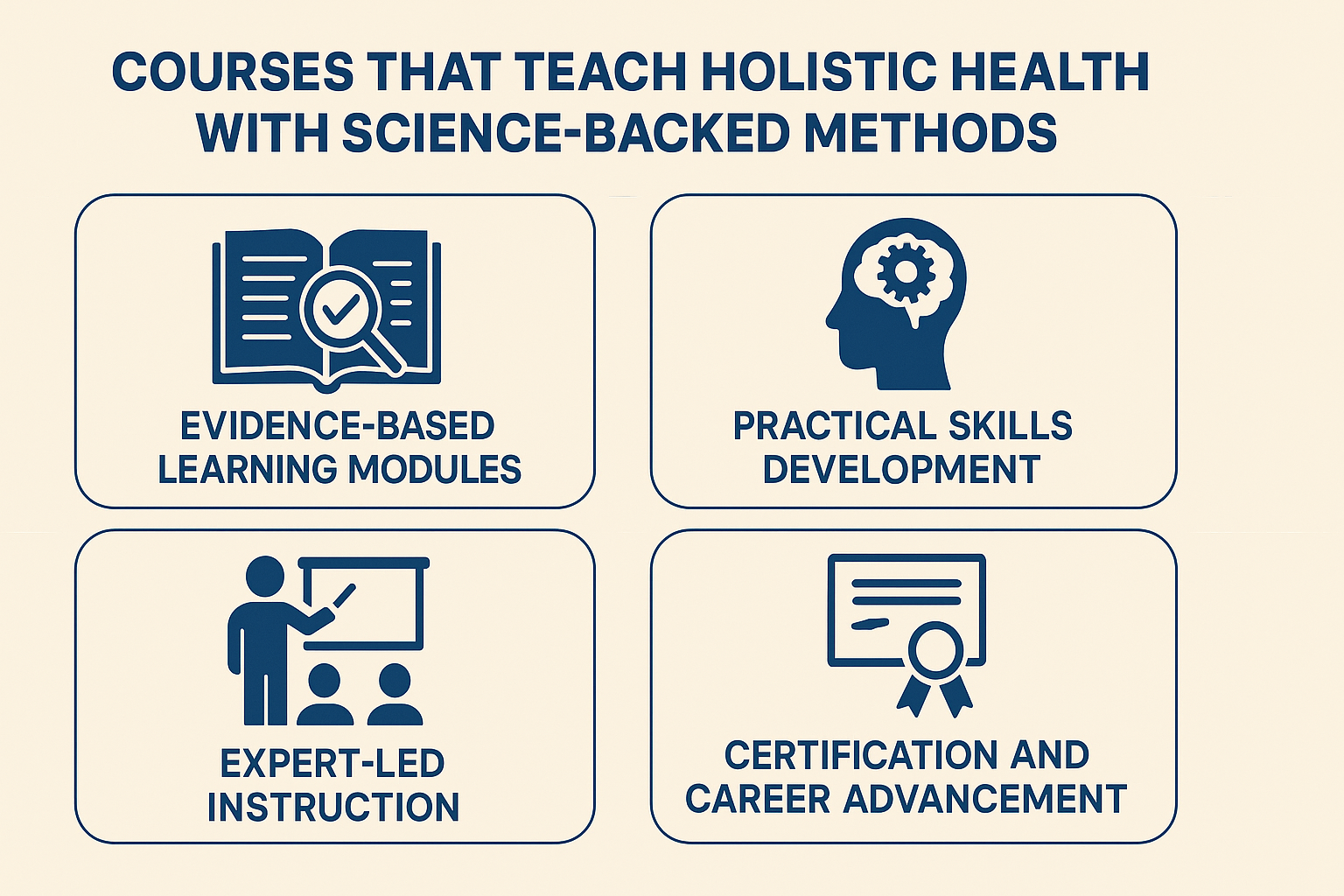
1. Evidence-Based Learning Modules
Courses like those offered by Coursera or ATrainEdu focus on integrating scientific research into holistic practices. For example, understanding how mindfulness affects brain activity or how nutrition impacts hormone regulation.
2. Practical Skills Development
Participants gain hands-on experience. They design personalized wellness plans grounded in scientific principles. They also apply biofeedback techniques to reduce stress.
3. Expert-Led Instruction
Learn from professionals who blend holistic wisdom with scientific expertise, ensuring you're learning validated methods.
4. Certification and Career Advancement
Many courses offer certifications recognized by health industry bodies. These certifications open doors for careers in holistic health coaching, wellness consulting, or integrative medicine.
Popular Science-Backed Holistic Health Courses and Programs
| Course/Program | Key Features | Where to Enroll | Accreditation |
|---|---|---|---|
| Coursera: Science of Well-Being | Focuses on positive psychology, behavioral change, backed by psychology research | Coursera | No formal accreditation, but highly reputable |
| Atrainceu.com Holistic Health Courses | Integrates clinical evidence with holistic methods like nutrition, stress management | ATrain Education | Accredited for health professionals |
| WellnessLiving Courses | Focused on holistic business and client management, with health science components | WellnessLiving | Program-specific accreditation |
| Research-Based Programs on Medium | Articles and courses on latest scientific findings in holistic health | Medium | Varies |
Note: Always verify accreditation and reviews before enrolling.
How Science-Backed Holistic Approaches Improve Your Wellbeing
Mind-Body Connection
Mindfulness practices, including meditation and breathing exercises, can reduce cortisol levels. They also combat anxiety and enhance cognitive function. Research shows this. Science-backed courses teach how to incorporate these practices effectively.
Nutrition & Supplements
Evidence-based nutritional education helps you understand how specific foods and supplements support immune function. It also explains how they combat inflammation and promote longevity. (Explore our blog on it.)
Movement & Physical Activity
Holistic courses emphasize physical activity's role in mental health and physical resilience. Learning scientifically validated exercise routines can significantly improve your quality of life.
Environmental & Lifestyle Factors
Understanding how ecological factors impact health enables you to make lifestyle choices that reinforce your wellness goals.
Actionable Steps to Start Your Journey
- Research Accredited Courses: Use platforms like Coursera, ATrainceu, and WellnessLiving for reputable programs.
- Set Clear Goals: Decide what you want to achieve. Do you aim to improve personal health? Would you like to become a holistic health coach? Perhaps you want to incorporate science-backed methods into your practice.
- Dedicate Time for Learning: Consistency is key. Schedule regular study and practice sessions.
- Apply What You Learn: Implement research-supported techniques like mindfulness, nutritional adjustments, or movement routines into daily life.
- Join Communities: Engage with online forums or local groups to stay motivated and exchange insights.
Frequently Asked Questions (FAQs)
Q1: What is the difference between general holistic health courses and science-backed programs?
A: Traditional holistic courses may focus on ancient practices without scientific validation. In contrast, science-backed programs integrate current research to ensure that practices are safe, effective, and credible.
Q2: Are holistic health courses with scientific methods suitable for beginners?
A: Absolutely! Many programs are designed for all levels, providing foundational knowledge before progressing to advanced concepts.
Q3: Can I become a certified holistic health coach with these courses?
A: Yes. Several accredited programs offer certification, enabling you to work professionally in the health and wellness industry.
Q4: How long does it take to complete these courses?
A: Duration varies—from a few weeks for introductory courses to several months for comprehensive programs.
Q5: Do these courses cover mental health and stress management?
A: Yes. Many include modules on mindfulness, emotional regulation, and improving mental resilience backed by scientific research.
Conclusion: Embrace Science-Backed Holistic Learning for Lasting Wellness
In a world saturated with conflicting health advice, you should choose holistic health courses backed by science. These courses offer a credible and effective pathway to true wellness. These programs support a comprehensive understanding of health. They respect the complexity of the human body and mind. The practices are grounded in rigorous research.
Whether you seek personal transformation or professional qualification, investing in accredited, research-based holistic health education can profoundly enhance your life. It can also enhance the lives of those you serve.
Start Your Journey Today!
Explore reputable courses through Coursera, Atrainceu, or WellnessLiving. Learn, apply, and witness the transformative power of science-backed holistic health methods!
Take action now—your path to holistic wellness rooted in science begins here!