
Introduction: Beyond Information, Toward Awareness
Every element of context engineering explored so far has been focused on information: what the agent knows, what it retrieves, what it remembers. This final instalment looks beyond information at something more profound: awareness.
What if your AI agent did not just process what you say, but understood the state you are in when you say it?
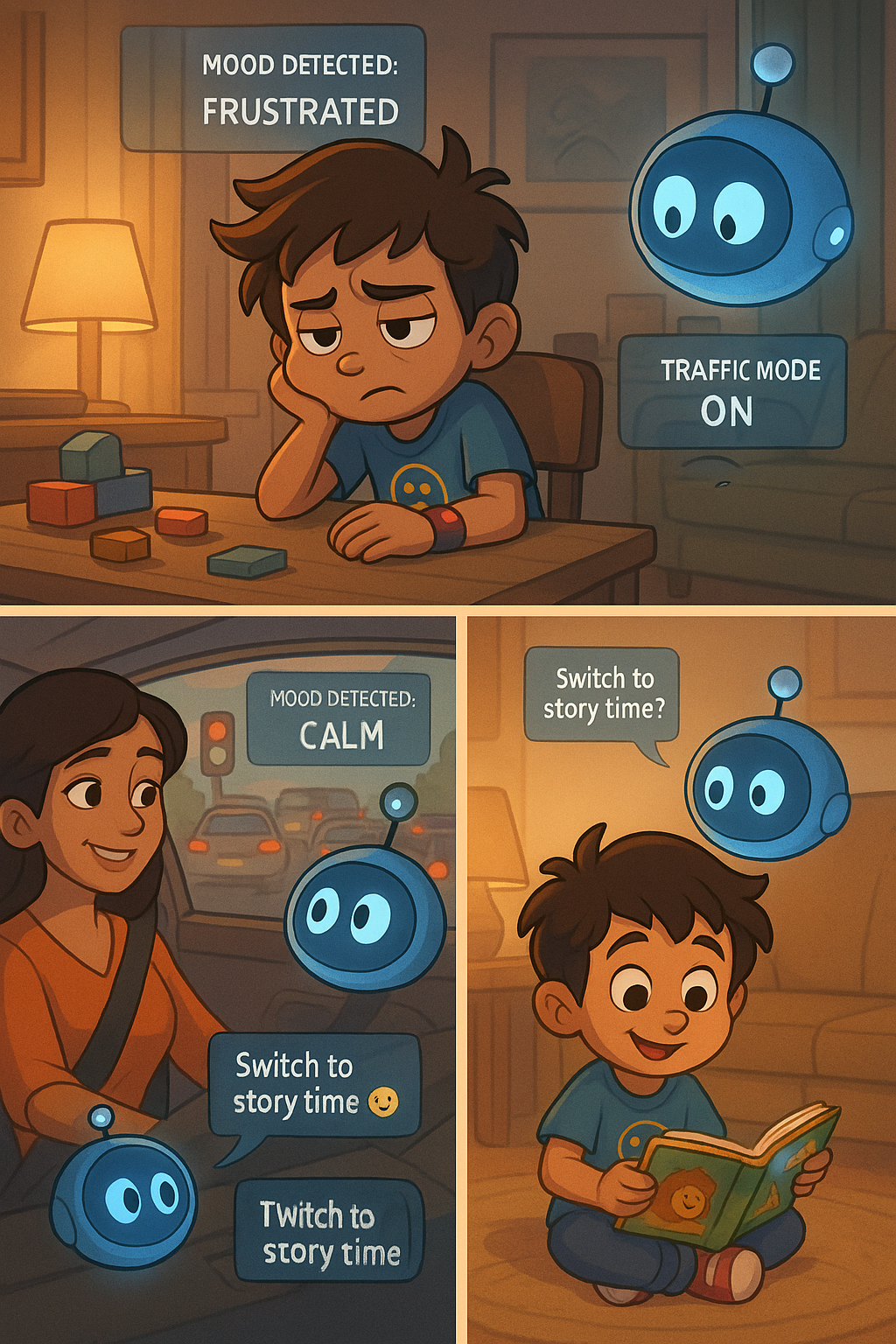
The Three Layers of Awareness-Based Context
Situational Context captures the physical and environmental circumstances of the interaction. Location, time of day, current activity, device context, and environmental signals all provide information about what kind of response is appropriate. An agent that knows you are in a client meeting should hold non-urgent notifications.
Emotional Context captures the affective state of the user. Voice tone analysis, writing pattern signals, physiological data from wearables, and sentiment patterns in recent communications can all contribute to an understanding of how someone is feeling. An agent that detects stress in a user's communication style might slow its pace or simplify its language.
Historical Experience Context combines the agent's memory of past interactions with its understanding of the patterns those interactions reveal. Not just what a user has said, but what they have responded well to, what has frustrated them, what they consistently prefer.
The Emerging Technology Stack
Companies like Hume AI are building voice interfaces that analyse emotional signals in speech in real time. Wearable devices are generating continuous physiological data that can serve as emotional context signals. Large language models are increasingly capable of inferring situational and emotional state from conversational patterns.
The Deeper Promise: Empathetic Computing
The ultimate vision of awareness-based context engineering is systems that adapt to human reality rather than requiring humans to adapt to system constraints.
Conclusion
Context engineering began as a technical discipline. But its ultimate destination is deeply human. The agents that will matter most in people's lives are not those that know the most, but those that understand the most about when and how to use what they know.