
Introduction: Your Job Is Changing, Whether You Name It or Not
Across industries and functions, the tasks that once defined professional roles are increasingly being performed by autonomous agents. The shape of work is visibly different from what it was three years ago.
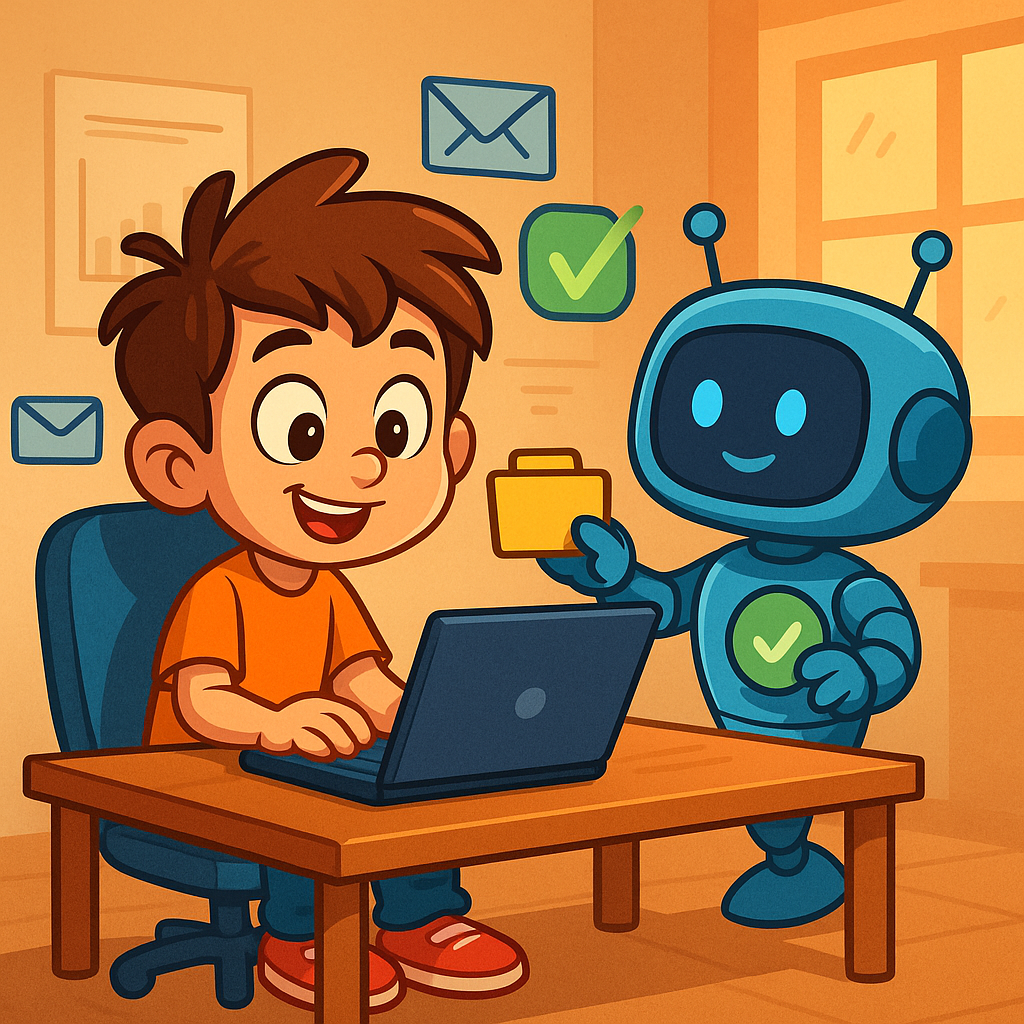
The Releveling of Work
Agentic AI is not eliminating roles. It is releveling them. Tasks that previously required significant human time and attention are being absorbed by agents, and the human role is moving upstream toward goal-setting, judgment, and oversight.
For many professionals, the activities that filled most of their working week, pulling data, producing reports, drafting communications, coordinating logistics, are precisely the activities that agents handle well. When those activities are handled autonomously, the question is not whether the job exists. It is what the job is for.
The answer is that the job is for the things agents cannot do. Strategic judgment. Relationship management. Creative synthesis. Ethical reasoning. Stakeholder navigation.
Three Roles Defining the New Work Landscape
Workflow Architects design the systems through which agents operate. They understand what should be automated and where human checkpoints must remain.
Context Engineers craft the goals, constraints, and background information that shape agent behaviour. The quality of what an agent produces is heavily determined by the quality of the context it receives.
Outcome Auditors validate and refine what agents produce. They identify patterns in agent performance, diagnose failures, surface edge cases, and feed learnings back into the system.
What Your Resume Might Say in Five Years
The professional who has deployed agentic pipelines, who has learned from failures and refined systems accordingly, who has developed the judgment to know when to trust an agent and when to override it, that professional is building skills that will be genuinely scarce and genuinely valued.
Conclusion
When agentic AI handles the execution, the most important professional act is defining what your role is for. Not reactively, after the automation has arrived, but proactively, with intention and clarity.