Discover the 9 crucial sleep behaviors you should never ignore to improve sleep quality, boost health, and transform your well-being. Don’t let bad habits ruin your rest!
💤 Introduction: Why Your Sleep Habits Matter More Than You Think
Did you know poor sleep affects everything from your mood to your immune system? According to the CDC, about 1 in 3 adults aren’t getting enough quality sleep regularly. Whether it’s daytime fatigue, irritability, or serious health concerns — your sleep behaviors are central to your well-being.
The good news? Recognizing and fixing these patterns can be a game-changer. In this blog, we decode 9 sleep behaviors you should never ignore. We explain why they matter. We also offer safe home remedies that actually work.
🧠 Core Pillars of Healthy Sleep
Before we jump in, let’s align on the foundations of good sleep:
- Consistency: Same sleep/wake times daily
- Environment: Cool, quiet, dark, and clutter-free
- Routine: Relaxing pre-bed rituals
- Lifestyle: Balanced diet, movement, light exposure
These build the structure around which better sleep behaviors can thrive.
🚨 9 Sleep Behaviors You Should Never Ignore
1. Skipping a Regular Sleep Schedule
⚠️ Problem: Irregular bedtimes disrupt your internal body clock.
🧠 Why it matters: Worsens insomnia, grogginess, and energy dips.
🏡 Remedy: Set a strict wake-up and sleep time—even on weekends. Use sleep reminder alarms to stay consistent.
2. Screen Time Before Bed
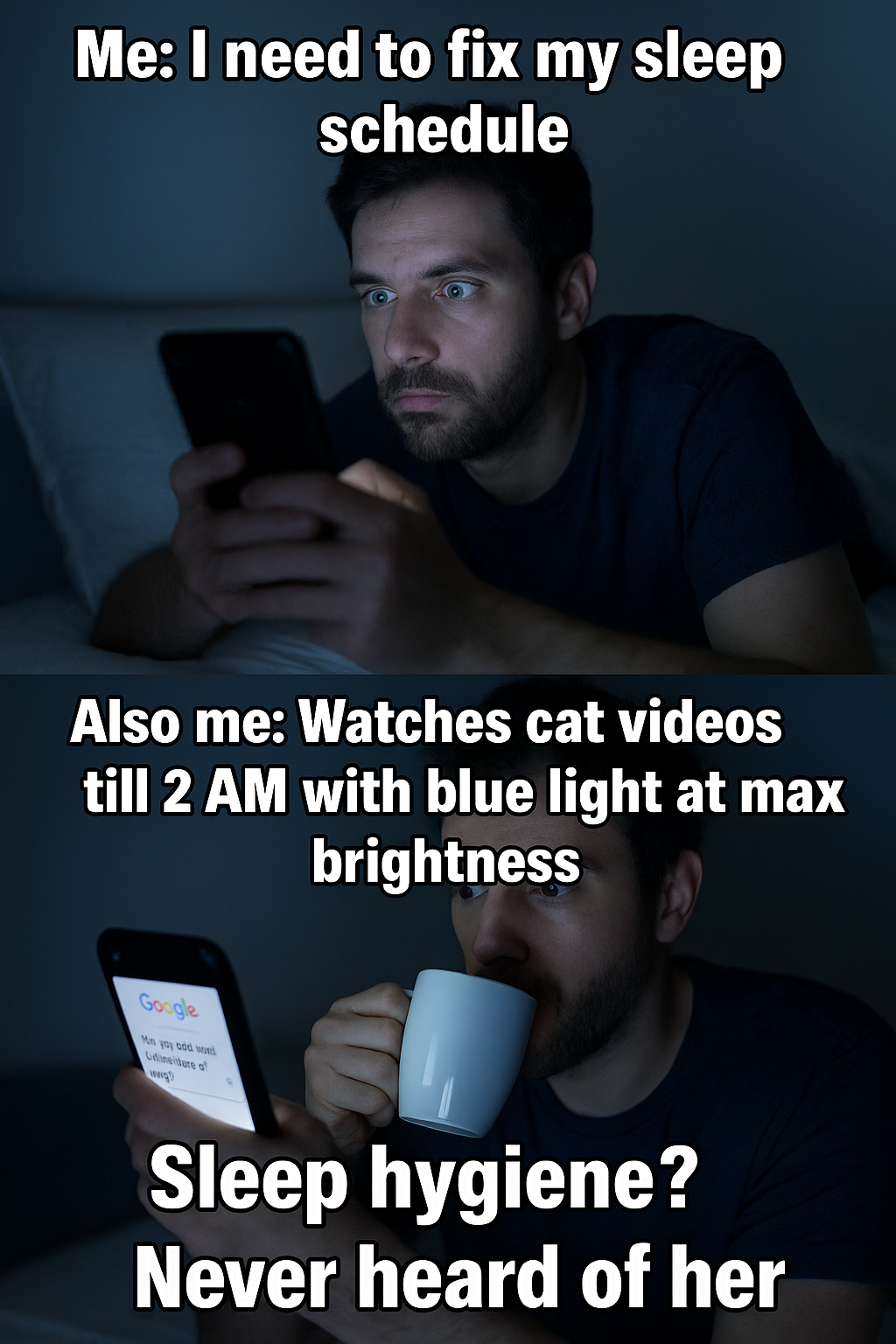
⚠️ Problem: Blue light from phones and laptops delays melatonin release.
🧠 Why it matters: Makes it harder to fall and stay asleep.
🏡 Remedy: Use blue light filters post-sunset. Switch to reading a physical book, or listen to calm music before bed.
3. Late-Afternoon Caffeine
⚠️ Problem: Caffeine blocks sleep-inducing chemicals like adenosine.
🧠 Why it matters: Sleep onset is delayed, reducing deep sleep stages.
🏡 Remedy: No caffeine after 2 PM. Opt for herbal teas like chamomile or tulsi in the evening.
4. Heavy or Spicy Meals Before Bed
⚠️ Problem: Indigestion, bloating, and acid reflux disrupt your rest.
🧠 Why it matters: Prevents entering REM sleep and causes discomfort.
🏡 Remedy: Finish meals 2–3 hours before sleep. Try a light bowl of oats or warm milk for better digestion.
5. Cluttered, Noisy, or Bright Sleep Environment
⚠️ Problem: External stimuli prevent your brain from shutting down.
🧠 Why it matters: Compromises deep restorative sleep cycles.
🏡 Remedy: Invest in blackout curtains, earplugs, or a white noise machine. Declutter your bedroom to reduce sensory overload.
6. Late Night Workouts
⚠️ Problem: Late exercise raises adrenaline and body temperature.
🧠 Why it matters: Delays melatonin and keeps your brain alert.
🏡 Remedy: Schedule workouts before 7 PM. Evening yoga or stretching is a safer alternative.
7. Ignoring Snoring, Insomnia, or Leg Cramps
⚠️ Problem: These could be signs of sleep apnea or restless leg syndrome.
🧠 Why it matters: May indicate underlying health conditions like hypertension or nerve issues.
🏡 Remedy: Track symptoms in a sleep journal and consult a sleep specialist. For leg cramps, try Epsom salt baths and magnesium-rich foods.
8. Relying on Sleeping Pills Frequently
⚠️ Problem: Temporary fixes that may mask deeper issues.
🧠 Why it matters: Dependency can lead to worse sleep rebound cycles.
🏡 Remedy: Use herbal teas like valerian or lavender. Try Cognitive Behavioral Therapy for Insomnia (CBT-I) if needed.
9. Lack of Daylight Exposure
⚠️ Problem: Not getting enough natural light can delay circadian rhythm.
🧠 Why it matters: Disrupts hormone cycles that regulate sleep.
🏡 Remedy: Spend at least 30 minutes outdoors every morning. Open curtains wide and work near natural light if indoors.
✅ Real-World Turnaround: Meet Jane
Jane, a 38-year-old professional, constantly woke up tired despite “8 hours of sleep.” After tracking her habits, she realized she was:
- Using her phone till 1 AM
- Sleeping in a cluttered room
- Having late-night snacks
Jane improved her sleep quality in just 2 weeks. She switched to a 9:30 PM wind-down, decluttered her room, and introduced morning sunlight walks.
🛠️ Quick Sleep Fix Checklist
| Sleep Issue | Quick Remedy |
|---|---|
| Irregular bedtime | Set sleep/wake alarms |
| Too much blue light | No screens 1 hour before bed |
| Caffeine intake | Switch to herbal teas after 2 PM |
| Late dinner | Light, early meals only |
| Room too bright/noisy/cluttered | Use curtains, earplugs, and minimal décor |
| Late workouts | Exercise before sunset |
| Frequent disturbances | Keep a sleep journal, consult a doctor if needed |
| Sleep pills overuse | Try natural supplements and CBT |
| No daylight | Morning walk or sit near windows |
🧘♀️ Expert Tips for Long-Term Sleep Wellness
- Use a sleep tracker to analyze patterns
- Practice gratitude journaling to ease nighttime stress
- Diffuse lavender or sandalwood oil in your bedroom
- Listen to white noise or deep sleep podcasts
📌 FAQs
Q: What’s the #1 mistake people make before bed?
A: Using their phones. It disrupts melatonin and delays deep sleep.
Q: Are natural remedies really effective?
A: Yes—when combined with good sleep hygiene, they can be transformative.
Q: How long till I see results?
A: Most people feel a difference in 5–14 days with consistent changes.
💬 Final Thoughts: Don’t Sleep on Your Sleep
Your sleep behaviors aren’t just quirks — they’re silent signals from your body. By acting on these 9 crucial behaviors today, you can reclaim restful nights and energised days.
👉 Start small. Stay consistent. Sleep better.
🔔 Want more wellness insights?
Subscribe to our newsletter and get weekly tips on sleep, mental health, and natural living.